

In today’s fast-moving digital world, generative AI is more than just a trending topic; it’s a breakthrough shaping how industries operate, innovate, and evolve. As someone who has spent years working with AI tools and strategies, I’ve witnessed firsthand how this technology is pushing the boundaries of what machines can create, not just compute.
But what is the real purpose of generative AI in modern technology? It’s a question that goes beyond buzzwords and hype. The answer lies in how this technology is redefining creativity, problem-solving, and automation in a way we’ve never seen before.
Understanding Generative AI: A Quick Overview
Before we explore its purpose, it’s important to understand what generative AI actually is.
Generative AI refers to a type of artificial intelligence that can generate new content including text, images, audio, video, and even code by learning patterns from existing data. Popular examples include ChatGPT, Midjourney, and GitHub Copilot.
Unlike traditional AI, which mainly processes or classifies information, generative models are designed to create. This shift in capability is what makes them so powerful in today’s technology landscape.
The Core Purpose: Enhancing Human Capability
From my own professional experience, one of the most exciting purposes of generative AI is how it enhances, rather than replaces, human creativity. Whether you’re a writer, designer, developer, or business strategist, AI can act as a co-creator, speeding up workflows and opening new creative possibilities.
Real-world example:
In a recent design sprint, our team used an AI image generator to produce multiple concept drafts in minutes, something that used to take hours. This didn’t replace the designers; it gave them more time to refine the best ideas.
Accelerating Innovation Across Industries
Generative AI is already changing how businesses operate across sectors:
- Healthcare: AI generates medical summaries, streamlines documentation, and even assists in drug discovery.
- Finance: Automated reporting and natural language data interpretation help analysts save time and reduce errors.
- Marketing: From personalized content to targeted ads, generative tools improve customer engagement at scale.
What Is Marketing?
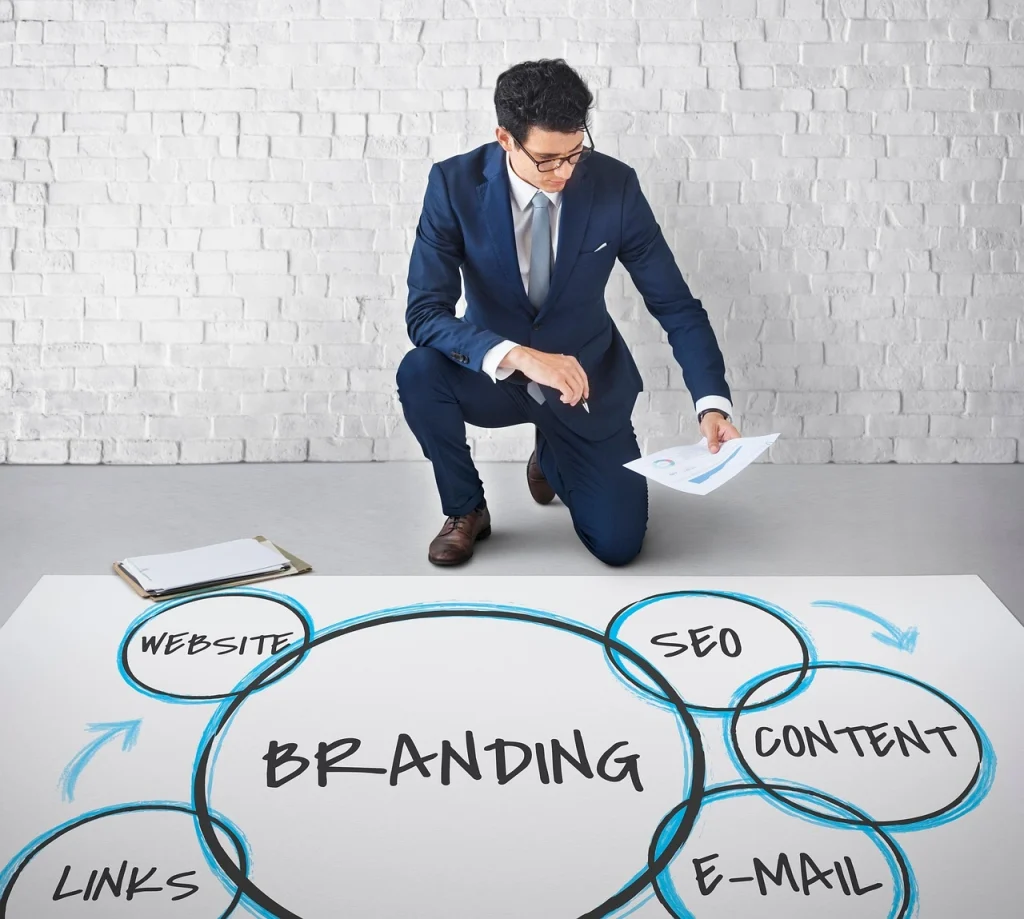
Marketing is the process of identifying, and satisfying customer needs and wants profitably. It’s not just about advertising or selling products; it’s a strategic function that builds value for both customers and businesses.
In simple terms:
Marketing is everything a company does to attract, retain, and grow its customer base.
The Core Functions of Marketing
Marketing can be broken down into several key functions:
- Market Research
Understanding customer needs, behaviors, and trends.
Methods include surveys, focus groups, analytics, and competitor analysis.
- Product Development
Creating or improving products/services based on customer insights.
Includes concept testing, prototyping, and value proposition design.
- Branding
Building a unique identity (name, logo, values) that differentiates a business in the market.
Strong branding influences perception and loyalty.
- Pricing Strategy
Determining how much to charge based on cost, competition, value, and positioning.
Includes models like cost-plus pricing, value-based pricing, and dynamic pricing.
- Promotion
Communicating the product’s value through advertising, social media, PR, influencer marketing, and more.
Can be both paid (ads) and organic (SEO, word-of-mouth).
- Distribution (Place)
Ensuring the product reaches the right customers at the right time.
Includes physical stores, e-commerce, marketplaces, and logistics.
- Customer Relationship Management (CRM)
Nurturing long-term relationships through loyalty programs, support, personalized experiences, etc.
The Marketing Mix: The 7Ps
A foundational model in marketing is the Marketing Mix, also known as the 7Ps:
- Product – What you offer to the market.
- Price – How much you charge.
- Place -Where it’s sold or delivered.
- Promotion– How you communicate its value.
- Process – How your service is delivered or product is sold.
- Physical Evidence – Tangible elements (e.g., packaging, reviews) that support the brand.
Types of Marketing (With Examples)
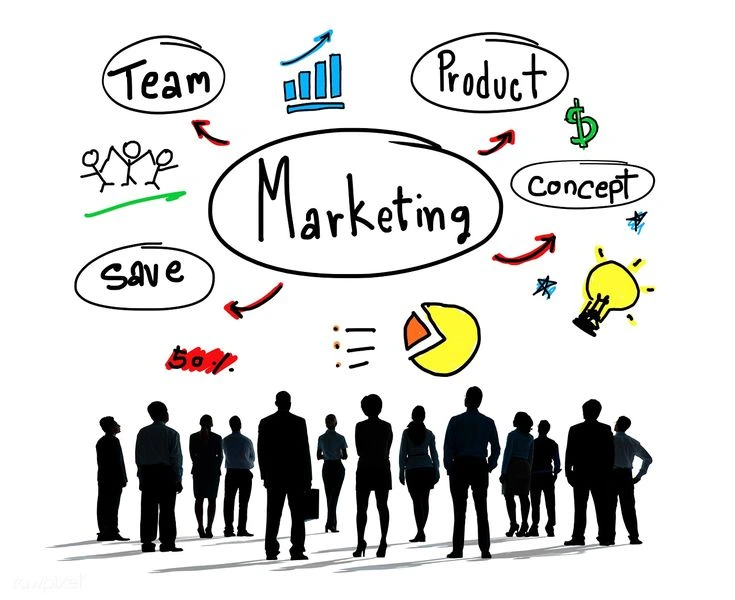
1. Digital Marketing
- SEO, social media, email, PPC, content marketing.
- Example: Running a Facebook ad campaign for a product launch
2. Content Marketing
- Creating valuable content (blogs, videos, podcasts) to attract and retain customers.
- Example: A blog post that ranks on Google and drives traffic
3. Inbound Marketing
- Attracting customers by providing useful content rather than pushing sales.
- Example: Offering a free ebook to collect leads.
4. Outbound Marketing
- Traditional methods like cold calls, TV ads, and billboards.
- Example: Running a commercial during prime time.
5. Performance Marketing
- Marketing focused on measurable results (clicks, conversions).
- Example: Affiliate marketing or pay-per-click ads.
6. Influencer Marketing
- Collaborating with social media influencers to promote products.
- Example: A tech influencer reviewing your gadget.
Marketing Strategy vs. Marketing Tactics
- Strategy = The long-term plan (e.g., “Position our brand as eco-friendly to appeal to Gen Z”).
- Tactics = The short-term actions (e.g., “Run Instagram Reels showing our recycled packaging”).
Good marketing balances both.
Customer Journey & Funnel
The customer journey is the path a customer takes from awareness to purchase and beyond.
Funnel stages:
- Awareness – They discover your brand.
- Interest – They want to learn more.
- Consideration – They evaluate options.
- Purchase – They buy.
- Retention – They stay loyal.
- Advocacy – They recommend your brand.
Effective marketing maps campaigns to each stage of the funnel.
Data-Driven Marketing
Modern marketing is deeply data-driven. Tools like Google Analytics, HubSpot, and Meta Ads Manager help marketers:
- Track performance.
- Optimize campaigns.
- Understand audience behavior.
Without data, marketing becomes guesswork.
The Role of AI in Marketing (Modern Trend)
Generative AI and machine learning are transforming how marketers:
- Generate personalized content.
- Analyze customer data.
- Automate communication (chatbots, emails).
- Predict trends.
AI enables hyper-personalization at scale.
KPIs in Marketing (Key Performance Indicators)
Measuring success is critical. Some common marketing KPIs:
- Website Traffic
- Conversion Rate
- Customer Acquisition Cost (CAC)
- Customer Lifetime Value (CLV)
- Return on Ad Spend (ROAS)
- Engagement Rate (likes, shares, comments)
Why Marketing Is Crucial for Every Business
- It builds brand awareness.
- It attracts the right audience.
- It helps differentiate in a crowded market.
- It supports sales and growth.
- It creates customer loyalty.
Final Thoughts
Marketing is both an art and a science. It blends creativity with data, psychology with technology, and strategy with storytelling. Whether you’re launching a new product, building a brand, or scaling a business, marketing is the engine that drives everything forward.
And the more deeply you understand it – from buyer psychology to digital tools — the more effective your campaigns and decisions will become.
- Software Development: Tools like AI – assisted coding speed up development, reduce bugs, and improve team productivity.
What is Software Development?
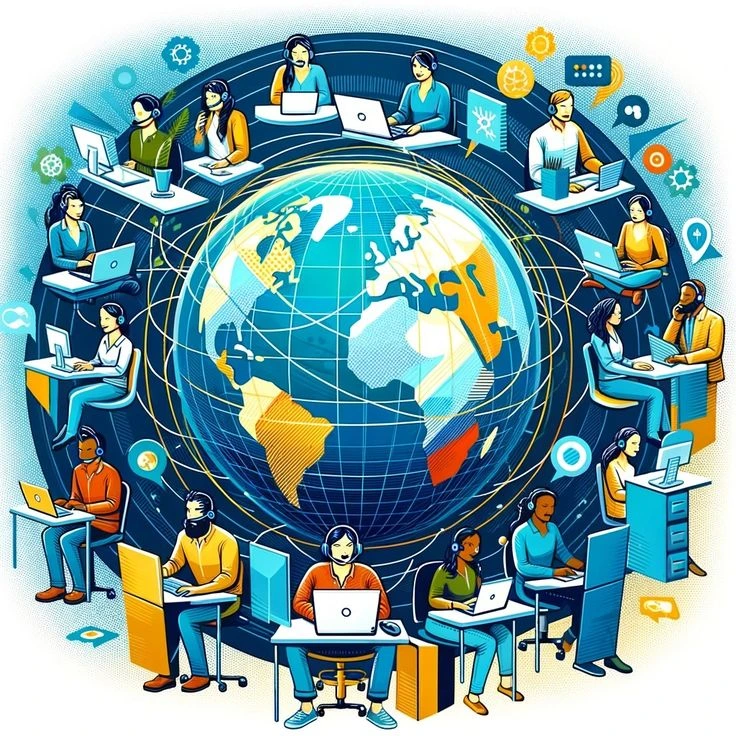
Software development is the process of designing, creating, testing, and maintaining computer programs or applications. It involves writing code, building systems, solving problems, and delivering value to users through software.
In simpler terms:
Software development turns ideas and business needs into functional digital solutions – from mobile apps and web platforms to embedded systems and enterprise software.
It’s not just about coding. It’s a structured, creative, and iterative process that includes design, analysis, testing, deployment, and ongoing improvement.
Types of Software
Understanding software development starts with recognizing the types of software being built:
1. System Software
- OS, device drivers, utilities (e.g., Windows, Linux, BIOS)
2. Application Software
- Web apps, mobile apps, desktop tools (e.g., WhatsApp, MS Word)
3. Embedded Software
- Runs inside devices (e.g., washing machines, IoT devices)
4. Enterprise Software
- Used by organizations (e.g., ERPs, CRMs like Salesforce)
5. Cloud-based Software (SaaS)
- Software delivered over the internet (e.g., Google Workspace, Zoom)
The Software Development Life Cycle (SDLC)
The Software Development Life Cycle (SDLC) is a structured process used to deliver high-quality software efficiently. The core phases are:
1. Requirement Gathering & Analysis
- Understand what the client or user needs.
- Involves meetings, documentation, and use case development.
2. Planning
- Define scope, timeline, budget, and resources.
- Choose tools, technologies, and methodologies.
3. System Design
- Architects create blueprints for structure, user interfaces, and system architecture.
- Includes database design and security planning.
4. Development (Implementation)
- Developers write code based on specifications.
- Can involve front-end, back-end, database, APIs, and more.
5. Testing
- QA engineers test for bugs, usability, performance, and security.
- Types: unit, integration, system, acceptance, regression testing.
6. Deployment
- Release software to production.
- May use CI/CD pipelines, Docker containers, cloud platforms, etc.
7. Maintenance & Updates
- Bug fixing, performance tuning, adding new features post-release.
Note: SDLC ensures quality, predictability, and accountability throughout the process.
Software Development Methodologies
Different projects need different approaches. Here are the major development models:
1. Waterfall
- Sequential and linear
- Best for predictable, well-defined projects.
2. Agile
- Iterative and incremental.
- Delivers working software in small sprints (usually 2-4 weeks).
- Emphasizes flexibility, collaboration, and user feedback.
3. Scrum (a type of Agile)
- Framework with roles (Product Owner, Scrum Master, Team) and rituals (Daily Standups, Sprint Planning).
- Focuses on delivering value quickly.
4. DevOps
- Combines software development and IT operations.
- Emphasizes automation, continuous integration/deployment (CI/CD), and monitoring.
Encourages rapid, reliable releases.
5. Lean Development
- Focuses on reducing waste and improving efficiency.
- Originated from lean manufacturing (Toyota Production System).
Core Roles in a Software Development Team
Successful development requires collaboration between various specialists:
Role | Responsibility |
Software Engineer/Developer | Writes code and builds features |
UI/UX Designer | Designs user interface and user experience |
Product Manager | Defines product vision, roadmap, and requirements |
Project Manager | Manages deadlines, teams, and communication |
Quality Assurance (QA) Engineer | Tests software for bugs and usability |
DevOps Engineer | Automates deployment and manages infrastructure |
System Architect | Designs system structure and high-level components |
Business Analyst | Translates business needs into technical specs |
Common Tools & Technologies
Programming Languages:
- Frontend: HTML, CSS, JavaScript, TypeScript, React, Angular
- Backend: Java, Python, Node.js, Ruby, PHP, Go, C#
- Mobile: Swift (iOS), Kotlin/Java (Android), Flutter, React Native
- Database: MySQL, PostgreSQL, MongoDB, Firebase
Tools:
- Version Control: Git, GitHub, GitLab
- IDEs: VS Code, IntelliJ, Eclipse
- CI/CD: Jenkins, GitHub Actions, CircleCI
- Containers: Docker, Kubernetes
- Testing: Selenium, JUnit, Cypress, Postman
Key Concepts in Modern Software Development
Cloud Computing
- Development and deployment on platforms like AWS, Azure, GCP.
- Enables scalable, on-demand infrastructure.
Microservices Architecture
- Breaking applications into smaller, independent services.
- Easier to scale and maintain.
APIs (Application Programming Interfaces)
- Interfaces that allow software systems to communicate.
- REST and GraphQL are common protocols.
Artificial Intelligence & Machine Learning
- AI-powered features (like recommendation engines, chatbots) are now integrated into modern software products.
Security (DevSecOps)
- Security integrated into every phase of development.
- Covers authentication, encryption, secure coding practices.
Software Testing: An Essential Part
Testing ensures the software:
- Works as intended
- Handles edge cases
- Is secure and reliable
Types of testing:
- Unit testing – Tests individual components
- Integration testing – Tests combined components
- System testing – Tests the entire system
- User acceptance testing (UAT) – Final testing by the user/client
Best Practices in Software Development
- Write clean, maintainable code
- Follow version control with Git
- Automate testing and deployments
- Document code and architecture
- Use code reviews to improve quality
- Focus on security from the start
- Keep users at the center of design decisions
- Release frequently, gather feedback, improve
Challenges in Software Development
- Managing scope creep
- Balancing speed and quality
- Hiring skilled developers
- Dealing with legacy systems
- Ensuring cross-platform compatibility
- Security and data privacy concerns
These are real-world issues that experienced developers navigate daily.
Final Thoughts
Software development is a dynamic blend of engineering, problem-solving, collaboration, and creativity. It’s the engine behind most modern innovations -from the apps in our pockets to the systems running global businesses
In each of these industries, the purpose of generative AI is clear – to accelerate innovation, reduce manual work, and allow experts to focus on higher-level decision-making.
Enabling Mass Personalization
Another major goal of generative AI is to make hyper-personalization scalable. Consumers now expect tailored content, services, and experiences – and generative models make that possible.
Example from practice:
In one client project, we used AI to generate thousands of personalized email variations based on user behavior. Engagement rates improved significantly, and the marketing team didn’t have to manually write each version.
Supporting Decision-Making Through Data Generation
No discussion of the purpose of generative AI is complete without acknowledging the ethical responsibilities that come with it.
From potential misuse to biased outputs, professionals like myself are actively involved in building AI systems that are transparent, fair, and accountable. Creating clear boundaries and ethical guidelines is not just a technical need – it’s a social responsibility.
Addressing Ethical Challenges
Generative models are also being used to create synthetic data – artificial datasets used for training machine learning models when real-world data is limited or sensitive. This is especially valuable in industries like healthcare and finance, where privacy is critical.
By simulating realistic scenarios, AI helps businesses make better decisions while maintaining compliance and security.
Conclusion: A Tool for Empowerment, Not Replacement
So, what is the ultimate purpose of generative AI in modern technology?
It’s not to replace human skills, but to amplify them. It’s a tool that allows us to work smarter, create faster, and innovate on a scale we’ve never seen before. As someone who works with this technology daily, I see its potential not just in what it can generate, but in how it empowers people to do more.
In the coming years, the most successful organizations won’t be those that fear AI – but those that learn to use it ethically, strategically, and creatively.