

The future of digital marketing is evolving faster than ever. With artificial intelligence, automation, and data-driven strategies reshaping how brands connect with audiences, businesses that adapt early will gain a major competitive edge. In this article, we’ll explore the top 10 emerging technologies that are transforming the future of digital marketing — and how they’ll redefine customer engagement, personalization, and ROI.
1. Artificial Intelligence (AI) and Machine Learning

Artificial Intelligence (AI) and Machine Learning (ML) are transforming the landscape of digital marketing by making it smarter, faster, and more efficient. These technologies help marketers analyze massive datasets, predict customer behavior, and automate complex processes — allowing brands to connect with their audience in more meaningful and personalized ways.
AI serves as the foundation of the future of digital marketing. It empowers marketers to create data-driven campaigns that deliver precise targeting and improved ROI. From chatbots that provide 24/7 customer support to AI-driven tools that personalize website content and email marketing, artificial intelligence has made digital experiences more engaging and customer-centric. With advanced data analytics, AI can predict what customers want before they even express it — ensuring that marketing messages are relevant, timely, and impactful.
One of the most significant contributions of AI is programmatic advertising, which uses real-time bidding to automatically place ads in front of the most relevant audience. This not only enhances conversion rates but also reduces advertising costs. Additionally, AI helps in content personalization, product recommendations, and performance optimization — enabling brands to deliver unique experiences to every individual user.
Machine Learning, a subset of AI, takes this process a step further. ML algorithms learn from historical data and user interactions to continually refine marketing strategies. Through predictive analytics, marketers can forecast trends, understand customer journeys, and make proactive decisions. For example, ML can identify when a customer is likely to make a purchase or leave a website, allowing marketers to take action at the right moment with the right message.
By adopting AI and ML, businesses gain a competitive edge in a crowded digital marketplace. They enable real-time insights, intelligent automation, and improved decision-making. Moreover, these technologies enhance customer satisfaction by ensuring that every interaction feels personalized and valuable.
As the digital world continues to evolve, AI and Machine Learning will remain the driving forces behind innovative marketing strategies. Brands that invest in these technologies today will shape the future of marketing tomorrow — achieving higher engagement, better conversions, and long-term growth.
2. Marketing Automation
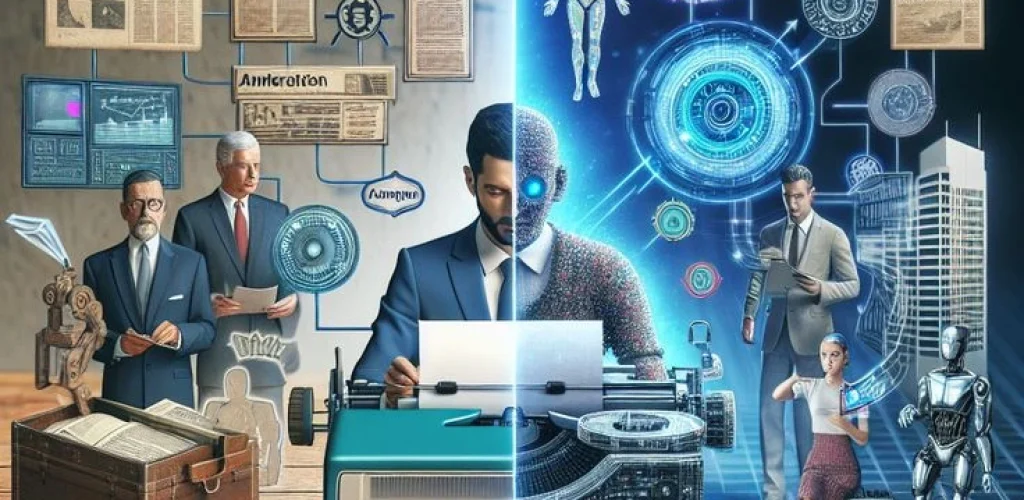
Marketing Automation is transforming how businesses manage and execute their marketing strategies. It involves using intelligent software to automate repetitive tasks such as email campaigns, social media scheduling, lead nurturing, and customer segmentation. By integrating marketing automation with CRM and analytics tools, brands can track user behavior, personalize content, and deliver the right message to the right audience at the perfect time.
This technology not only saves time but also enhances customer engagement and improves ROI by ensuring consistency across channels. Automation platforms analyze data to identify customer preferences, trigger personalized workflows, and score leads based on engagement levels, helping sales teams focus on high-potential prospects.
In the future of digital marketing, automation will evolve with artificial intelligence and machine learning, enabling predictive targeting and real-time decision-making. Businesses that leverage marketing automation effectively will create seamless customer journeys, reduce human error, and achieve higher efficiency. Ultimately, marketing automation empowers brands to build stronger relationships, nurture loyalty, and drive sustainable growth in a competitive digital landscape.
3. Voice Search and Smart Assistants

Voice Search and Smart Assistants are redefining how consumers interact with technology and access information. With devices like Amazon Alexa, Google Assistant, and Apple’s Siri becoming household staples, voice-based interactions are rapidly transforming the future of digital marketing. Instead of typing queries, users now speak naturally — asking questions, seeking recommendations, or making purchases hands-free.
For marketers, this shift means optimizing content for voice search SEO by focusing on conversational phrases, long-tail keywords, and question-based queries. Voice search tends to deliver concise, direct answers, so businesses must create content that aligns with user intent and local search optimization.
Smart assistants also open new opportunities for personalized marketing. Brands can integrate voice-enabled apps (known as “skills” or “actions”) to provide real-time support, product information, or personalized offers. As artificial intelligence continues to advance, voice assistants will become more context-aware, offering predictive and personalized experiences.
In essence, voice search and smart assistants represent the next evolution of customer engagement — making digital interactions faster, more intuitive, and central to the future of digital marketing.
4. Augmented Reality (AR) and Virtual Reality (VR)
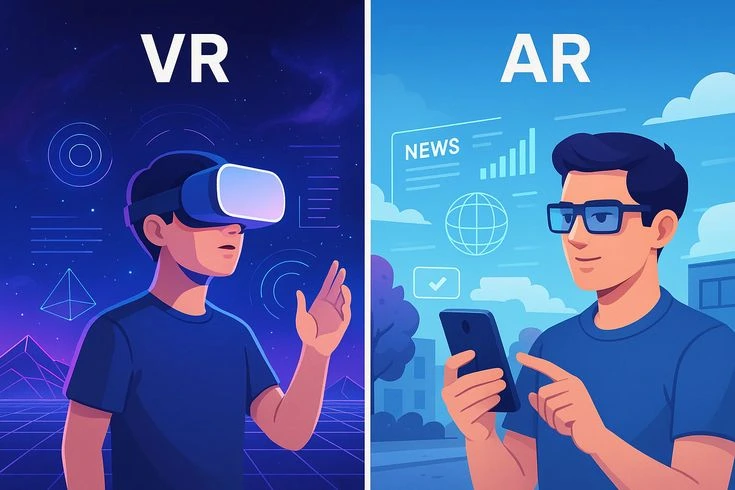
Augmented Reality (AR) and Virtual Reality (VR) are revolutionizing how brands connect with audiences, offering immersive and interactive experiences that blend the digital and physical worlds. AR enhances real-world environments by overlaying digital elements—such as 3D models, graphics, or information—through smartphones or smart glasses. In contrast, VR creates fully simulated environments that transport users into a virtual space using headsets.
In the future of digital marketing, AR and VR will play a vital role in customer engagement, allowing users to experience products before purchasing. For example, furniture retailers let customers visualize how items look in their homes through AR apps, while VR enables virtual tours, events, and branded experiences that build emotional connections.
These technologies enhance personalization, boost brand recall, and increase consumer confidence by providing hands-on digital experiences. As hardware becomes more affordable and accessible, AR and VR will move beyond novelty into mainstream marketing strategies. Ultimately, Augmented Reality and Virtual Reality empower brands to tell stories in a more engaging, experiential way—reshaping customer interaction and driving innovation in the ever-evolving future of digital marketing.
5. Blockchain for Transparency and Security

Blockchain for Transparency and Security is emerging as a game-changer in the future of digital marketing, offering trust, authenticity, and accountability across online transactions and campaigns. Blockchain is a decentralized ledger that securely records data in blocks that cannot be altered, ensuring transparency between brands, advertisers, and consumers.
In digital advertising, blockchain helps eliminate ad fraud by verifying impressions and clicks, ensuring marketers pay only for genuine user engagement. It also enables transparent tracking of media spending, reducing intermediaries and increasing campaign efficiency. For consumers, blockchain enhances data privacy by giving them control over how their information is shared and used.
Additionally, brands can use blockchain to authenticate products, ensuring customers receive genuine goods, especially in industries like fashion, luxury, and pharmaceuticals. Smart contracts built on blockchain automate transactions once agreed conditions are met, improving efficiency and trust.
As data privacy and ethical marketing become global priorities, blockchain technology will play a crucial role in building credibility, strengthening security, and shaping a more transparent and trustworthy future of digital marketing for businesses and consumers alike.
6. Chatbots and Conversational Marketing

In today’s fast-paced digital world, businesses are constantly looking for ways to improve customer engagement, streamline communication, and provide instant support. Chatbots and Conversational Marketing have emerged as powerful tools that help brands create personalized, real-time interactions with their audience. These AI-driven technologies are transforming customer service and digital marketing strategies by fostering meaningful conversations and building trust.
Chatbots are automated messaging tools powered by Artificial Intelligence (AI) that simulate human-like conversations through websites, mobile apps, and social media platforms. They are available 24/7, ensuring that customers can receive instant responses without waiting for a human agent. From answering FAQs to booking appointments or processing orders, chatbots handle a wide range of tasks efficiently. This not only improves customer satisfaction but also reduces the workload for support teams.
In the context of conversational marketing, chatbots act as the first point of contact between brands and potential customers. Unlike traditional marketing methods that rely on static forms and delayed responses, conversational marketing focuses on real-time, two-way communication. This approach creates a more engaging customer experience, allowing users to interact with brands naturally through messaging apps such as WhatsApp, Facebook Messenger, or website chat widgets.
One of the biggest advantages of chatbots in marketing is personalization. AI-powered chatbots can analyze user data, previous interactions, and browsing behavior to tailor conversations and offer relevant product recommendations. For example, an e-commerce chatbot can suggest products based on a customer’s past purchases or answer questions about delivery times and discounts — enhancing both convenience and conversion rates.
Lead generation is another major benefit of conversational marketing. Chatbots can capture leads by qualifying visitors in real time, collecting their contact details, and directing them to the right sales representative. This not only speeds up the buyer’s journey but also ensures that leads are more likely to convert because of the immediate, personalized engagement.
Furthermore, conversational marketing provides valuable insights into customer preferences and behavior. Every conversation generates data that can be analyzed to refine marketing strategies, improve content personalization, and enhance overall user experience. Businesses can use this data to identify common pain points, optimize their sales funnel, and deliver better customer support.
As AI technology continues to evolve, chatbots are becoming more intelligent and human-like. Modern chatbots can understand natural language, detect emotions, and provide context-aware responses — making interactions more authentic and satisfying. Integrating chatbots with voice assistants and CRM systems allows brands to maintain a consistent communication flow across multiple touchpoints.
In summary, Chatbots and Conversational Marketing represent the future of digital customer engagement. They empower businesses to provide instant support, build stronger relationships, and drive conversions through personalized, real-time interactions. By adopting this strategy, brands can enhance user satisfaction, save time, and boost marketing performance — all while staying ahead in the competitive digital landscape.
7. Data Analytics and Predictive Insights

In the era of digital transformation, data analytics and predictive insights have become the backbone of successful marketing and business strategies. Every click, search, and purchase generates valuable data that, when analyzed effectively, reveals powerful patterns about customer behavior, preferences, and trends. Organizations that leverage data analytics are better equipped to make informed decisions, optimize performance, and drive measurable growth.
Data analytics refers to the process of collecting, organizing, and examining large datasets to uncover hidden trends, correlations, and insights. It enables businesses to transform raw information into actionable intelligence. Marketers use these insights to understand their audience, measure campaign performance, and refine strategies for better outcomes. Whether it’s website analytics, social media metrics, or customer feedback, data analytics helps brands gain a complete understanding of their digital presence and audience engagement.
A crucial part of data analytics is predictive insights, which use statistical algorithms, artificial intelligence (AI), and machine learning (ML) to forecast future trends based on historical data. Predictive analytics goes beyond describing what happened — it predicts what is likely to happen next. For example, businesses can anticipate customer purchasing behavior, identify potential churn, or predict seasonal demand spikes. This allows companies to take proactive actions rather than reactive measures.
In digital marketing, predictive insights play a vital role in improving targeting and personalization. By analyzing past user behavior, marketers can predict which products or services a customer is most interested in, when they are likely to make a purchase, and what kind of messaging will resonate best. This data-driven approach ensures that marketing campaigns are not only cost-effective but also deliver higher engagement and conversion rates.
Predictive analytics tools such as Google Analytics, HubSpot, Tableau, and Power BI provide marketers with real-time dashboards, advanced segmentation, and forecasting models. These tools make it easier to identify high-value customers, optimize ad spend, and measure campaign ROI accurately. Predictive insights also help in content optimization — allowing brands to create blogs, ads, and social media posts that match audience interests and search intent.
Moreover, data analytics supports business decision-making across departments. From finance and operations to sales and customer service, predictive insights enable smarter forecasting, inventory planning, and risk management. For instance, e-commerce platforms can predict product demand, while service-based businesses can forecast client retention rates and adjust resources accordingly.
The integration of AI and machine learning in predictive analytics has further enhanced its accuracy and scalability. AI-driven systems continuously learn from new data, refining predictions over time. This ensures that marketing strategies remain relevant, agile, and aligned with consumer expectations in a constantly changing marketplace.
In conclusion, data analytics and predictive insights empower businesses to make smarter, data-driven decisions that improve performance and customer satisfaction. By understanding what happened in the past and anticipating what will happen next, brands can stay ahead of trends, optimize their marketing efforts, and achieve long-term growth.
8. Video Marketing and Interactive Content
Video continues to dominate digital platforms — but interactive videos, live streaming, and short-form content are redefining engagement.
The future of digital marketing will emphasize video experiences that educate, entertain, and inspire. Brands that integrate interactive storytelling and shoppable video content will lead the way in audience retention.
9. Metaverse Marketing
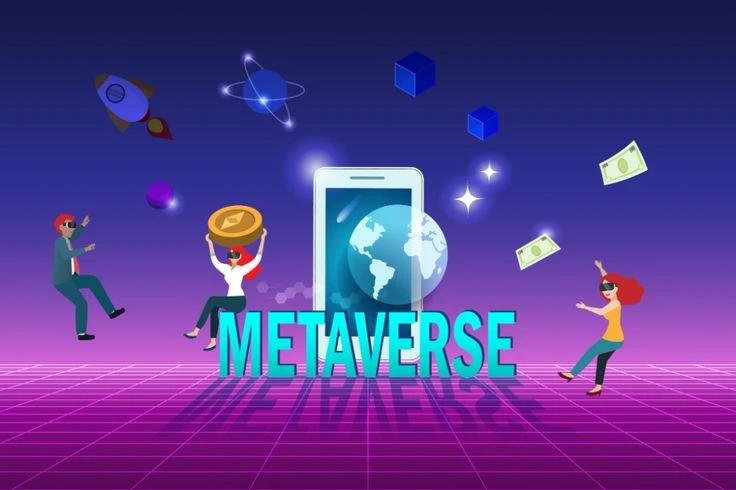
The metaverse is redefining the boundaries of digital marketing by blending physical and virtual worlds into an immersive, interactive environment. It represents a shared, 3D digital space where users can socialize, play, shop, and attend events using virtual avatars. For brands, metaverse marketing is not just a futuristic idea — it’s a powerful strategy that enables deeper customer engagement, personalized experiences, and limitless creative opportunities.
In simple terms, the metaverse is an interconnected network of virtual worlds powered by technologies like Augmented Reality (AR), Virtual Reality (VR), Blockchain, and Artificial Intelligence (AI). These technologies allow users to experience digital spaces in real time, simulating real-world interaction and presence. For marketers, this opens a new realm of possibilities — where storytelling, branding, and community-building happen inside an immersive 3D universe instead of a flat screen.
Metaverse marketing enables brands to create virtual experiences that go beyond traditional advertising. Businesses can build virtual stores where customers can explore, try on, and purchase products using digital avatars. For instance, fashion brands use metaverse platforms to host virtual fashion shows, while real estate companies conduct 3D property tours that customers can attend from anywhere in the world. These interactive experiences drive higher engagement, strengthen brand loyalty, and create emotional connections that conventional ads can’t achieve.
Another key aspect of metaverse marketing is virtual events and brand activations. Companies are hosting concerts, conferences, product launches, and workshops within virtual spaces like Decentraland, Roblox, and The Sandbox. These events attract global audiences without geographical barriers, offering immersive brand experiences that blend entertainment with marketing. Such activations help brands reach Gen Z and millennial consumers — demographics that value innovation, authenticity, and digital-first experiences.
The integration of NFTs (Non-Fungible Tokens) and digital assets also plays a major role in metaverse marketing. Brands can sell limited-edition virtual merchandise, collectibles, or digital art, adding exclusivity and personalization to the customer experience. This creates new revenue streams while strengthening community engagement.
From a strategic standpoint, data analytics and predictive insights within the metaverse allow marketers to understand user behavior at an unprecedented level. Every movement, interaction, or purchase inside a virtual world provides data that helps brands refine targeting, personalize content, and measure ROI more effectively.
However, successful metaverse marketing requires a creative and adaptive approach. Businesses must focus on authentic engagement rather than intrusive advertising. Building meaningful virtual communities, offering value-driven experiences, and ensuring privacy and transparency are key to long-term success.
In conclusion, metaverse marketing represents the next big evolution in digital marketing — a world where imagination meets innovation. Brands that embrace this transformation early will have the opportunity to lead in a new era of immersive storytelling and customer connection. As technology continues to advance, the metaverse will become a central hub for digital interaction, unlocking endless possibilities for marketers worldwide.
10. Sustainability and Ethical Marketing Tech

Consumers are becoming more conscious of ethical practices. Technology that supports sustainability — such as green hosting, carbon-neutral advertising, and responsible AI — is gaining traction.
The future of digital marketing will prioritize brands that align technology with purpose, transparency, and social responsibility.
Conclusion

The future of digital marketing is not about following trends — it’s about anticipating them. From AI and automation to AR, blockchain, and the metaverse, these emerging technologies are revolutionizing how brands communicate, engage, and grow.
Businesses that embrace innovation today will not only stay relevant but thrive in the competitive landscape of tomorrow.
In this fast-changing era, the future of digital marketing belongs to those who combine creativity with technology — and transform data into meaningful human experiences.